
Preconception Health
 An official website of the United States government

Addressing the needs of mothers and fathers who face difficult or unexpected pregnancies and ensuring the wellbeing of mothers and the health of American families.




Navigating pregnancy can feel overwhelming, but you don't have to do it alone.
Pregnancy centers provide supportive services for mothers and families. Many centers offer pregnancy tests, ultrasounds, STD/STI testing and treatment, parenting support, childbirth classes, medical referrals, and material goods like clothes and diapers—at no cost to you. There are more than 2,750 pregnancy centers across the country. The majority of pregnancy centers offer limited medical services. Check with your local center for details.
Find Pregnancy Centers Near You , external link
This link will direct you to an external site. All external links should be carefully considered.
Federally Qualified Health Centers (FQHCs) serve medically underserved areas and populations in all U.S. states, territories, and the District of Columbia. They provide high-quality care, including primary care services, maternal care, and prenatal care, regardless of your ability to pay. There are about 1,400 FQHCs and 16,200 service sites, staffed by medical professionals such as doctors, dentists, therapists, social workers, OB/GYNs, pediatricians, and case managers who ensure that patients receive a full range of care.
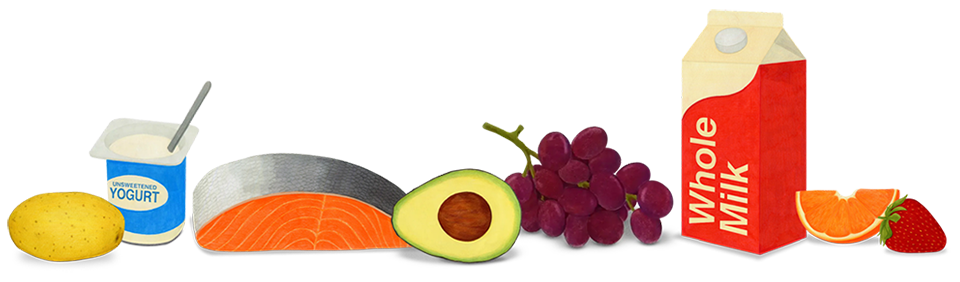
For all nutrition recommendations for pregnant women, new mothers, and infants, check out the Dietary Guidelines for Americans.
CDC recommends women get 400 micrograms of folic acid daily.
Pregnant women should consume diverse nutrient-dense foods, including iron-rich meats, folate-rich greens and legumes, eggs, dairy, and low-mercury omega-3-rich seafoods like salmon, sardines, trout and should talk to their health care provider professional about taking a daily prenatal vitamin.
Nursing mothers should eat a wide variety of nutrient-dense foods, including vitamin B12, meats, poultry, omega-3-rich seafood, legumes, and vitamin A-rich vegetables and should talk to their health care professional about whether dietary supplements may be needed while breastfeeding.



We're building long-term financial security for millions of children by creating tax-advantaged investment accounts for U.S. citizens under the age of 18. Eligible children enrolled in Trump Accounts will receive $1,000 from the U.S. Treasury in an account that they can access at 18 years old.

Find the world's lowest prices on prescription medications on TrumpRx.
There are a range of medical treatments that exist to help couples build their families. For some people, addressing ovulatory dysfunction, hormonal imbalances, insulin resistance, or excess weight may improve fertility outcomes.
Always talk with your doctor or a qualified healthcare professional before starting any medication related to weight management or fertility.





If you are preparing for pregnancy or trying to conceive, addressing chronic health conditions and identifying risk factors can lead to healthier pregnancies, mothers, and babies.
Check out more information about preconception health.
Fertility Awareness-Based Methods (FABMs) can help you recognize signs of your fertile period and identify underlying health conditions, such as polycystic ovary syndrome and endometriosis.
Learn about FABMs here and here , external link.
This link will direct you to an external site. All external links should be carefully considered.
Research shows that breastfeeding provides many health benefits for you and your baby. However, it can also be difficult to manage breastfeeding in today's hurried world. Learning as much as you can before you give birth can help.
Making the decision to breastfeed
When you breastfeed, you give your baby a healthy start that lasts a lifetime. Breastmilk is the perfect food for your baby. Breastfeeding saves lives, money, and time.
Learning to Breastfeed
Breastfeeding may be natural, but it's also a skill that takes practice. Learn what makes a good latch, see different breastfeeding holds, and find out how to tell if your baby is getting enough breastmilk.
Physical and mental health while breastfeeding
Getting rest when possible, eating healthy foods, and taking some time for themselves helps new moms regain energy and strength.
Breastfeeding challenges
Breastfeeding can be challenging enough, but some women experience special challenges, such as breastfeeding multiples or breastfeeding during a breast infection.
Pumping and Storing Breastmilk
Get tips on pumping your milk and storing it safely.
Breastfeeding fact sheet
Here you will find facts, tips and learn about support resources available to you.
For more information, check out our Dietary Guidelines for Americans.
New and pregnant mothers can face many challenges to their mental health, including postpartum depression (PPD) and pregnancy complications.
PPD is a common mental health condition that affects about 1 in 8 women. Listen to these women's stories:
Get help for PPD now. Call 1-833-TLC-MAMA for 24/7 free confidential support for pregnant and new moms.
If you or a loved one is struggling, call or text 988 for the Suicide and Crisis Lifeline
These links will direct you to an external site. All external links should be carefully considered.
Early Head Start serves low-income pregnant women and new mothers. Programs provide structured, individualized prenatal services that typically include:
Moms.gov Conscience Overview: This overview is written primarily for expecting and new parents to explain federal conscience protections that are most likely to affect you when making decisions about your own care or your child's care.
Child Welfare Information Gateway promotes the safety, permanency, and well-being of children, youth, and families by connecting the public to information, resources, and tools on relevant child welfare topics.
Sleep Safety provides care for babies to sleep safely.